
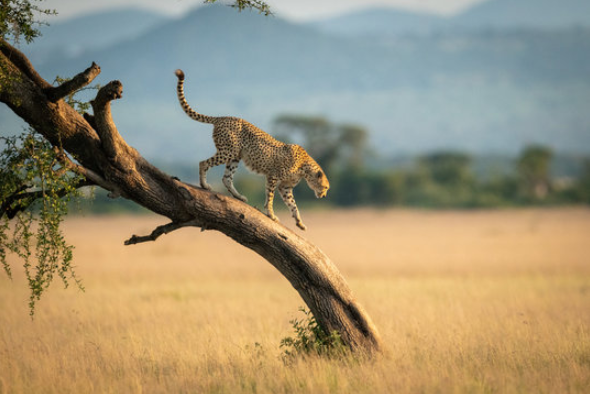
Say the word “safari,” and most people picture one place before any other: the Serengeti. Its endless golden plains, dramatic predator sightings, and status as home to the Great Migration have made it the single most iconic wildlife destination in Africa, and for many travelers, the reason a Tanzania trip makes it onto the bucket list in the first place.
But the Serengeti is enormous — nearly 14,763 square kilometers, roughly the size of Northern Ireland — and it isn’t one uniform landscape. It’s made up of distinct zones, each with its own wildlife patterns, seasons, and logistics. Planning a Serengeti safari well means understanding not just when to go, but where within the park to be. This guide covers everything you need to know to plan a safari that matches what you actually want to see.
What Makes the Serengeti Special?
The Serengeti National Park is home to what’s widely regarded as the greatest wildlife show on Earth: the annual Great Migration, in which roughly 1.5 million wildebeest, alongside hundreds of thousands of zebras and gazelles, move in a continuous clockwise loop chasing rain and fresh grazing. But the migration is far from the only draw. The Serengeti also holds some of the highest densities of lions in Africa, healthy leopard and cheetah populations, and reliable sightings of elephant, buffalo, giraffe, and an extraordinary variety of birdlife. Its open plains, dotted with rocky outcrops called kopjes, make for some of the best unobstructed wildlife viewing and photography conditions of any park on the continent.
Understanding the Serengeti’s Four Zones
One of the most common mistakes first-time visitors make is choosing a travel month without choosing where in the park to stay. The Serengeti is generally divided into four zones, and wildlife moves through them on a fairly predictable seasonal pattern:
Southern Serengeti / Ndutu Area
Active roughly from December through March, this zone hosts the famous calving season, when hundreds of thousands of wildebeest calves are born within a few concentrated weeks. It’s also one of the best regions in the entire park for consistent predator action, since the abundance of vulnerable newborns draws lions, cheetahs, and hyenas out to hunt.
Central Serengeti (Seronera)
The Seronera Valley offers strong wildlife viewing year-round, making it the most versatile base for travelers who aren’t chasing a specific migration event. It’s known for reliable big-cat sightings, including leopards resting in riverine trees, and works well for shorter trips or first-time visitors who want dependable game viewing regardless of season.
Western Corridor
Active roughly from May through June (sometimes stretching into October), this zone sees the herds pass through on their way north, crossing the Grumeti River. The Grumeti crossings are smaller in scale than the famous Mara crossings but come with noticeably fewer vehicles and a more private viewing experience.
Northern Serengeti
Active roughly from July through October, this remote zone near the Kenya border is where the herds cross the Mara River in the migration’s most dramatic and photographed stage. It requires more effort to reach — often via light aircraft rather than the roughly eight-hour drive from Arusha — but rewards visitors with the year’s most intense wildlife drama.
Best Time to Visit the Serengeti
The honest answer is that the Serengeti rewards visitors year-round, but the best month for you depends on what you want to experience:
- January to March: Calving season in the southern plains and Ndutu area. Exceptional predator action and newborn wildlife, with moderate crowds concentrated around the calving zones.
- April to May: The long rains bring lush, green landscapes and low crowds, though some roads can become difficult and wildlife is more dispersed.
- June: A strong shoulder-season choice, with the migration present in the Western Corridor, dry weather beginning, and prices still below peak.
- July to October: Peak dry season and the Mara River crossing window in the northern Serengeti. This is the most popular and most expensive period, and top camps often book out six to twelve months ahead.
- November: The short rains begin, pulling the herds back south. A good shoulder-season option with fewer crowds and softening rates.
Many experienced safari planners consider September an excellent all-around choice, since it typically offers dry weather, a strong chance of catching Mara River crossings, and noticeably fewer vehicles than the July–August peak.
Regardless of season, expect warm days with temperatures generally between 25–30°C (77–86°F), with cooler mornings during the dry season that can drop into the mid-teens Celsius, so packing layers is essential.
What Wildlife Will You See?
The Serengeti offers some of the most reliable Big Five viewing in Africa, with lion, leopard, elephant, and buffalo commonly seen, while rhino sightings are rarer but possible in certain areas. Beyond the Big Five, expect frequent sightings of giraffe, zebra, wildebeest, cheetah, hyena, impala, and gazelle, along with hippos and crocodiles concentrated around rivers and waterholes. The park is also a haven for birdwatchers, hosting hundreds of species across its varied habitats.
Park Fees and Practical Logistics
Foreign visitors pay national park entrance fees that generally run in the range of $60–$70 per person for each 24-hour period, with the exact rate depending on the season. These fees are almost always bundled into your tour operator’s package price, but it’s worth understanding the “24-hour rule,” which determines when a new day’s fee applies, since it can affect how your itinerary is structured around entry and exit times.
Accommodation inside or near the park spans the full spectrum, from budget campsites to luxury tented camps and lodges. It’s worth noting that “tented camp” in Serengeti terminology often refers to a luxury or mid-range canvas-walled room with a proper bed and en-suite bathroom, not a basic backpacking tent, which can be a pleasant surprise for first-time visitors.
Getting into the park is typically done either by road, roughly an eight-hour drive from Arusha, or by scheduled light aircraft into one of several airstrips located throughout the park’s zones. Flying saves significant time and allows access to more remote zones like the northern Serengeti, though it comes at a higher cost than road transfers.
How Many Days Do You Need?
Most experienced guides recommend a minimum of three nights in the Serengeti to see meaningful ground and give wildlife sightings time to develop. If you’re specifically targeting a Mara River crossing, plan for at least four nights in the northern Serengeti to improve your odds, since crossings are unpredictable and can’t be scheduled. For travelers who want to experience multiple zones — for example, combining Central Serengeti with a calving-season visit to Ndutu — five to six nights allows a deeper, less rushed experience.
Combining the Serengeti with Other Parks
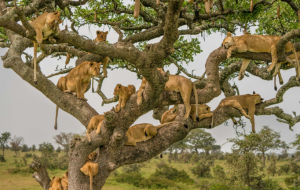
Most Serengeti safari are built as part of a broader Northern Circuit itinerary, commonly paired with the Ngorongoro Crater, Tarangire National Park, and Lake Manyara National Park. This combination allows travelers to experience the Serengeti’s vast plains alongside Ngorongoro’s dense wildlife concentration within its crater walls, Tarangire’s massive elephant herds, and Lake Manyara’s tree-climbing lions, all within a single 5-to-10-day trip.
Tips for Planning Your Serengeti Safari
- Choose your zone based on your priority. Decide whether calving season, a river crossing, or reliable year-round viewing matters most to you, then pick your dates and lodge location accordingly.
- Book well in advance for peak months. Camps near the northern Serengeti’s crossing points and Ndutu’s calving zones can fill six to twelve months ahead for July–September and February travel.
- Budget at least three nights. Shorter stays limit how much of the park’s wildlife activity you’ll realistically encounter.
- Ask your operator about “off-road” driving privileges. Some camps and concessions allow closer, off-road wildlife viewing, while national park regulations generally require vehicles to stay on designated tracks.
- Pack for temperature swings. Warm days and cool mornings mean layers are essential, even during the dry season.
- Consider a hot air balloon flight. A sunrise balloon safari over the plains offers a spectacular alternative perspective on the park’s scale and wildlife.
Conclusion
A Serengeti safari is often the centerpiece of a Tanzania trip, and for good reason: nowhere else offers the same combination of scale, wildlife density, and raw natural drama. The key to planning a great one isn’t simply picking a month on a calendar, but understanding which of the park’s four zones matches what you want to experience, whether that’s the predator-rich chaos of calving season, the dramatic tension of a Mara River crossing, or the dependable, year-round game viewing of Central Serengeti. With the right timing, the right zone, and a reputable local operator to guide the details, a Serengeti safari has a way of living up to, and often exceeding, even the highest expectations.
Key Takeaways
- The Serengeti spans nearly 14,763 km² and is divided into four main zones — Southern/Ndutu, Central, Western Corridor, and Northern Serengeti — each active at different times of year.
- Calving season (January–March) in the south offers exceptional predator action and newborn wildlife with fewer crowds than peak migration months.
- Mara River crossings in the northern Serengeti typically run July–October, with August–September as the most intense window.
- September is often cited as the best all-around month, balancing dry weather, migration activity, and thinner crowds.
- Park entrance fees generally run $60–$70 per person per 24-hour period, usually bundled into your tour package.
- Plan for at least 3 nights in the park, and 4+ nights in the northern zone specifically if targeting a river crossing.
- The Serengeti is most commonly combined with Ngorongoro Crater, Tarangire, and Lake Manyara as part of a Northern Circuit itinerary.
Frequently Asked Questions
How many days do I need for a Serengeti safari? A minimum of three nights is recommended to see meaningful wildlife activity. If you’re targeting a Mara River crossing specifically, plan for at least four nights in the northern Serengeti to improve your chances.
What is the best time of year for a Serengeti safari? It depends on your priority. January to March is best for calving season and predator action, June offers a good-value shoulder season, and July to October is best for Mara River crossings, with September often cited as the best overall balance of weather, wildlife, and crowds.
Where should I stay in the Serengeti? Central Serengeti (Seronera) is the most versatile year-round base. Ndutu is ideal for calving season (December–March), the Western Corridor for Grumeti crossings (roughly May–June), and the northern Serengeti near Kogatende for Mara River crossings (July–October).
Will I definitely see the Great Migration on my Serengeti safari? Not necessarily, since the migration is a year-round, continuously moving event across a vast area. Seeing a specific stage, like a river crossing, requires timing your visit and choosing your lodge location to match where the herds are expected to be.
How do I get to the Serengeti? Most visitors arrive either by road, a journey of roughly eight hours from Arusha, or by scheduled light aircraft directly into one of the park’s airstrips, which is faster and often necessary for reaching more remote zones like the northern Serengeti.
Is the Serengeti safe for a first-time safari traveler? Yes, the Serengeti is a well-established, heavily visited national park with experienced guides, established lodges and camps, and clear park regulations. Choosing a reputable operator and following your guide’s instructions during game drives ensures a safe experience.
Can I combine a Serengeti safari with other parks in one trip? Yes, this is the most common approach. Most itineraries combine the Serengeti with the Ngorongoro Crater, Tarangire National Park, and Lake Manyara National Park as part of a broader Northern Circuit safari, typically over 5–10 days.